Balance and Beginnings: Celebrating the Spring Equinox
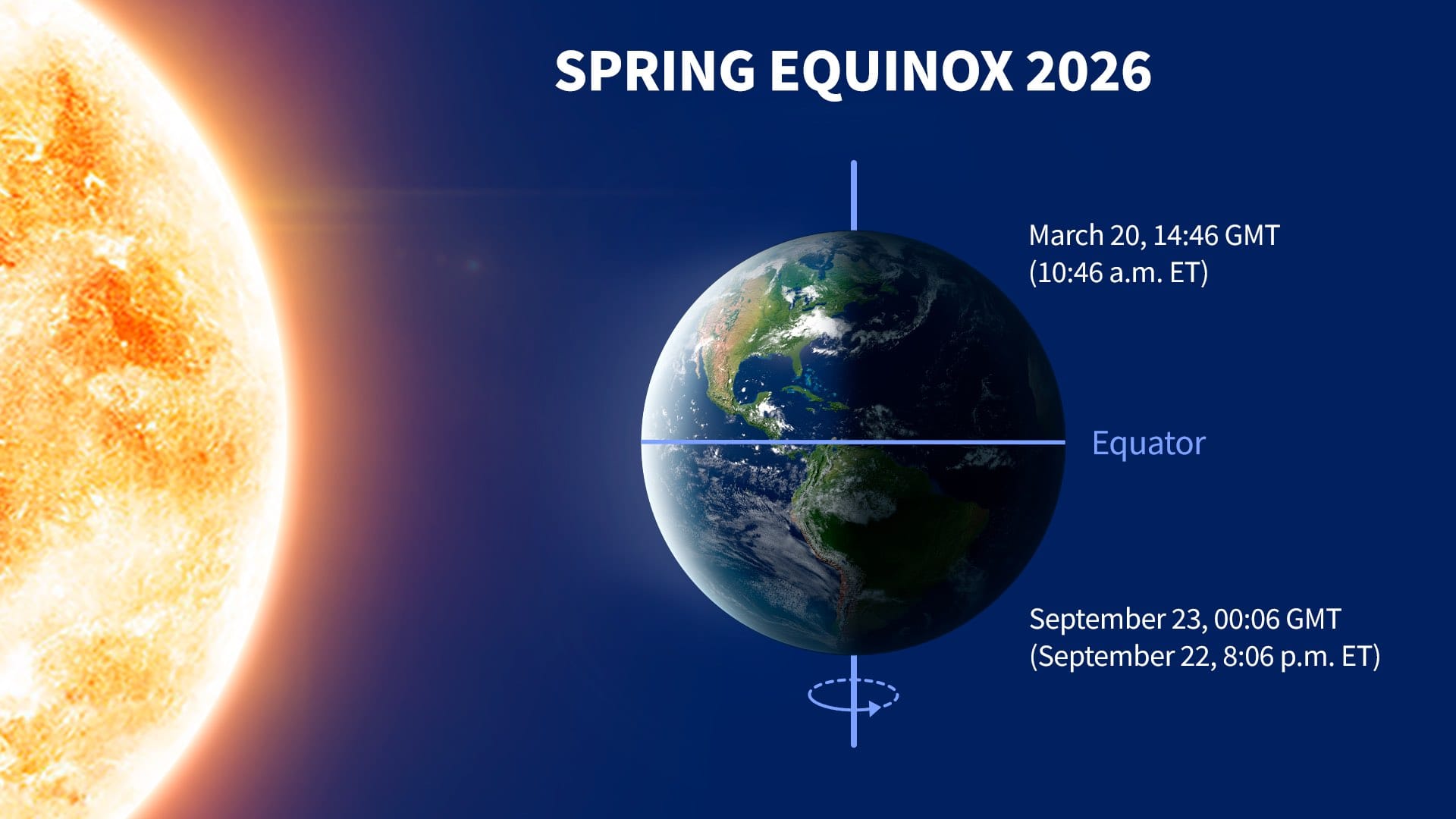
It’s official! This Friday, March 20, we welcome the Spring Equinox (also known as the Vernal Equinox). In the Northern Hemisphere, this marks the astronomical first day of spring—a moment when day and night are nearly equal in length.
After a long winter, there is something truly magical about the world waking up. At the library, we’re celebrating this season of “equal light” by shedding some light on the science and stories behind the shift.
The Science of the Tilt
The word “equinox” comes from the Latin aequus (equal) and nox (night). Because the Earth is tilted on its axis, we experience seasons as we orbit the sun. On the equinox, the sun crosses the celestial equator, shining directly on the equator and giving us roughly 12 hours of daylight and 12 hours of darkness.
Want to see the science in action? Check out our Science & Nature section for:
-
“Seven Brief Lessons on Physics” by Carlo Rovelli
-
“The Sun: A Very Short Introduction” by Philip Judge
A Season for Growth
The Spring Equinox has been celebrated for millennia as a time of rebirth, fertility, and new beginnings. From the ancient Maya at Chichén Itzá to modern-day garden enthusiasts in Northeast Mississippi, the return of the sun is a universal cause for joy.
If the sight of the first crocuses and budding trees has you inspired, let the library help you get your hands dirty:
-
Garden Planning: Look for “The Old Farmer’s Almanac” or regional gardening guides in our 635 section to find out when it’s safe to start planting your spring vegetables.
-
Spring Cleaning for the Soul: Borrow a copy of “The Life-Changing Magic of Tidying Up” by Marie Kondo to clear out the winter clutter and make room for new energy.
Equinox Activities at Home
You don’t need a telescope to celebrate! Here are a few ways to mark the day:
-
The Egg Balancing Myth: Legend has it that you can balance a raw egg on its end only during the equinox. While scientists say you can actually do this any day of the year with enough patience, the equinox is the traditional time to try!
-
Nature Journaling: Grab a notebook and head outside. Document the first birds you hear or the first flowers you see blooming in your yard.
-
Family Storytime: Read “And Then It’s Spring” by Julie Fogliano with your kids to talk about the patience required for things to grow.
Visit Us This Spring!
As the days get longer, we hope you’ll spend some of that extra sunlight visiting us. Whether you’re looking for a fresh “spring read” or a quiet place to watch the season change through our windows, the library is the perfect place to start your new chapter.
Happy Spring, Everyone!